- Home >
- Institut Curie News >
- Dr. Raphaël Rodriguez awarded the 54th Fondation ARC Léopold Griffuel Prize
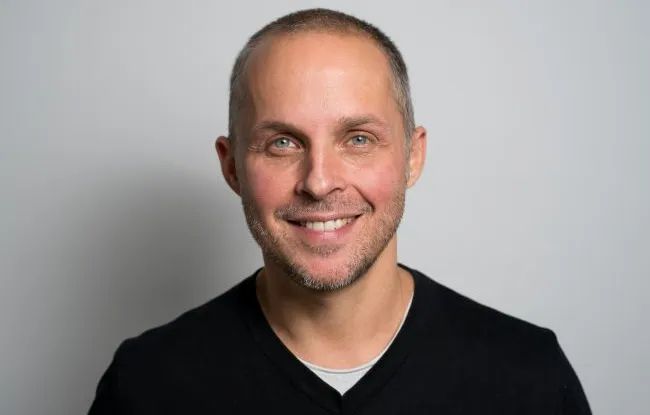
On April 23, 2026, Dr. Raphaël Rodriguez was awarded the Fondation ARC Léopold Griffuel Prize in translational and clinical research. A CNRS research director and team leader at Institut Curie, he is recognized for his work exploring ferroptosis, an iron-dependent form of cell death, to target treatment-resistant tumor cells.
Awarded by the Fondation ARC for cancer research, the Fondation ARC Léopold Griffuel Prize honors researchers each year whose work opens up major new perspectives in oncology. With €200,000 granted in each category, it recognizes scientific contributions with strong potential impact for patients.
On April 23, 2026, Dr. Raphaël Rodriguez received this award in the translational and clinical research category, jointly with Prof. Marcus Conrad (Helmholtz Center Munich, Germany). Both are recognized for their work on iron biology and ferroptosis, a research field that has attracted growing interest as this cell death pathway can eliminate tumor cells resistant to conventional therapies.
A CNRS research director, deputy director of the Chemical Biology of Cancer unit (Inserm U1339 / CNRS UMR3666), and head of the Biomedicine team within this unit at Institut Curie, Dr. Raphaël Rodriguez conducts research at the interface of chemistry and biology. His work aims to understand how tumor cells alter their state to adapt and resist treatment. His team focuses in particular on metastatic cells and the most aggressive tumor forms. They have shown that iron, essential for the adaptation of these cells, can also represent a vulnerability. The team has developed a new class of therapeutic molecules, named Fentomycine, which exploits this iron dependency to induce ferroptosis, a form of cell death driven by iron-dependent oxidative damage to cellular membranes. This new therapeutic approach was recently highlighted in a study published in Nature and widely covered in the national press, including Le Monde, L’Express and Time.
Already validated in advanced preclinical models, this strategy opens promising perspectives, particularly for difficult-to-treat cancers such as sarcomas and pancreatic cancers.