- Home >
- Institut Curie News >
- Dr. Silvia Fre elected EMBO Member
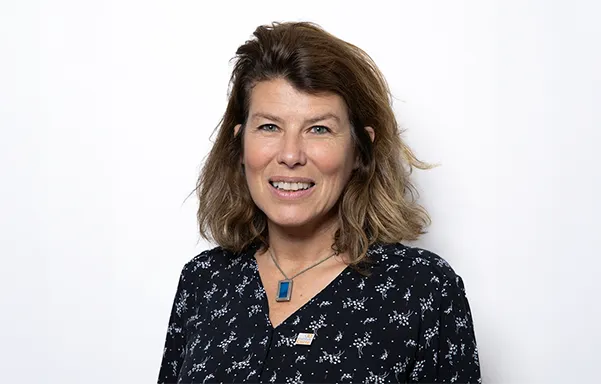
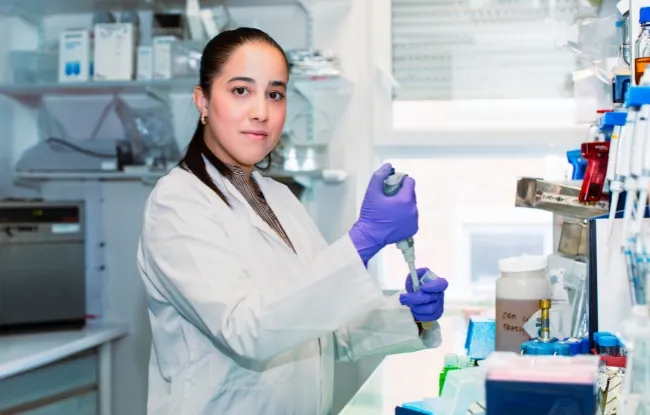
The European Molecular Biology Organization (EMBO) announced its newly elected members on June 30. Among them is Dr. Silvia Fre, Inserm Research Director and research team leader at the Institut Curie Research Center. This international distinction recognizes the excellence of her research in developmental biology and stem cell biology.
“This is wonderful news and it came as a complete surprise! This election is especially meaningful to me because it represents an important recognition from my peers. It also reflects everything my research team and I have built together over the years. I have been incredibly fortunate to recruit an outstanding group of young scientists whose dedication and hard work have been essential in earning this distinction. I am very proud that our research has been recognized by the scientific community,” says Dr. Silvia Fre.
EMBO is a European organization dedicated to the life sciences, bringing together more than 2,100 leading researchers from across Europe and around the world. It promotes scientific excellence, supports researchers at every stage of their careers, and fosters collaboration within the scientific community. Election to EMBO Membership recognizes outstanding scientific achievements and is a lifelong honor. Members also contribute to the organization's activities by serving on its Council, committees, and advisory boards, and by evaluating applications for research funding.
For Silvia Fre, this election reflects a career dedicated to understanding the role of stem cells in tissue development and cancer initiation. At Institut Curie, she leads the Fate and Plasticity of Epithelial Stem Cells team (CNRS UMR3215/Inserm U934/Sorbonne Université). Her research aims to understand how epithelial stem cells acquire their identity, maintain their plasticity, and contribute to tissue formation, maintenance, and regeneration. Her team also investigates how these mechanisms, which are essential for normal organ development, can be hijacked during cancer initiation and progression.
Dr. Silvia Fre thus joins the ranks of the 22 other Institut Curie researchers who are already EMBO Members:
- Dr. Geneviève Almouzni
- Dr. Sebastian Amigorena
- Dr. Allison Bardin
- Dr. Patricia Bassereau
- Dr. Renata Basto
- Dr. Yohanns Bellaïche
- Dr. Valérie Borde
- Dr. Déborah Bourc'his
- Dr. Philippe Chavrier
- Dr. Olivier Delattre
- Dr. Bruno Goud
- Dr. Anne Houdusse
- Dr. Carsten Janke
- Dr. Ludger Johannes
- Dr. Ana-Maria Lennon-Duménil
- Dr. Pierre Léopold
- Dr. Daniel Louvard
- Dr. Danijela Matic Vignjevic
- Dr. Fatima Mechta-Grigoriou
- Dr. Franck Perez
- Dr. Matthieu Piel
- Dr. Graça Raposo